Applications
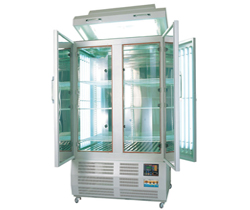
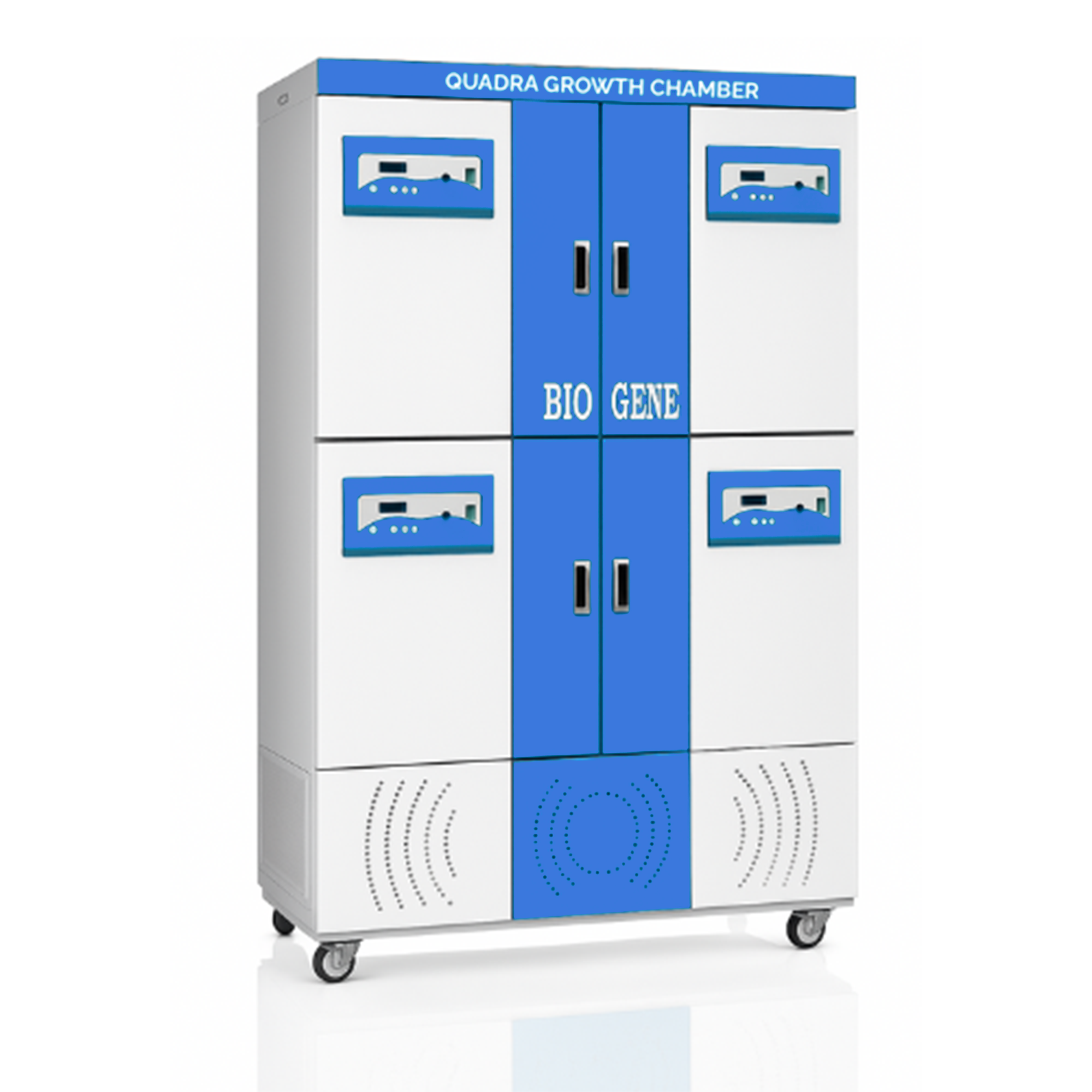
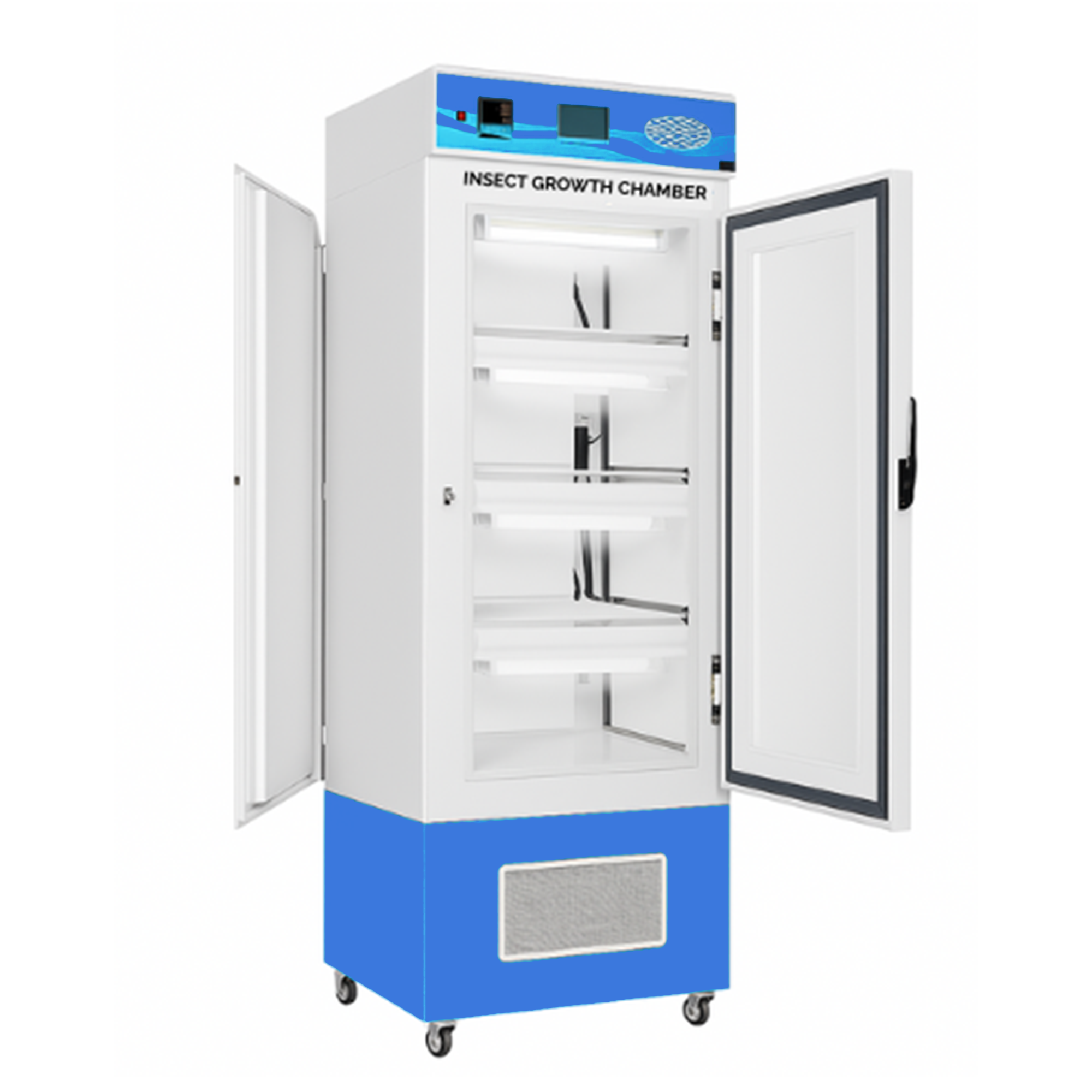
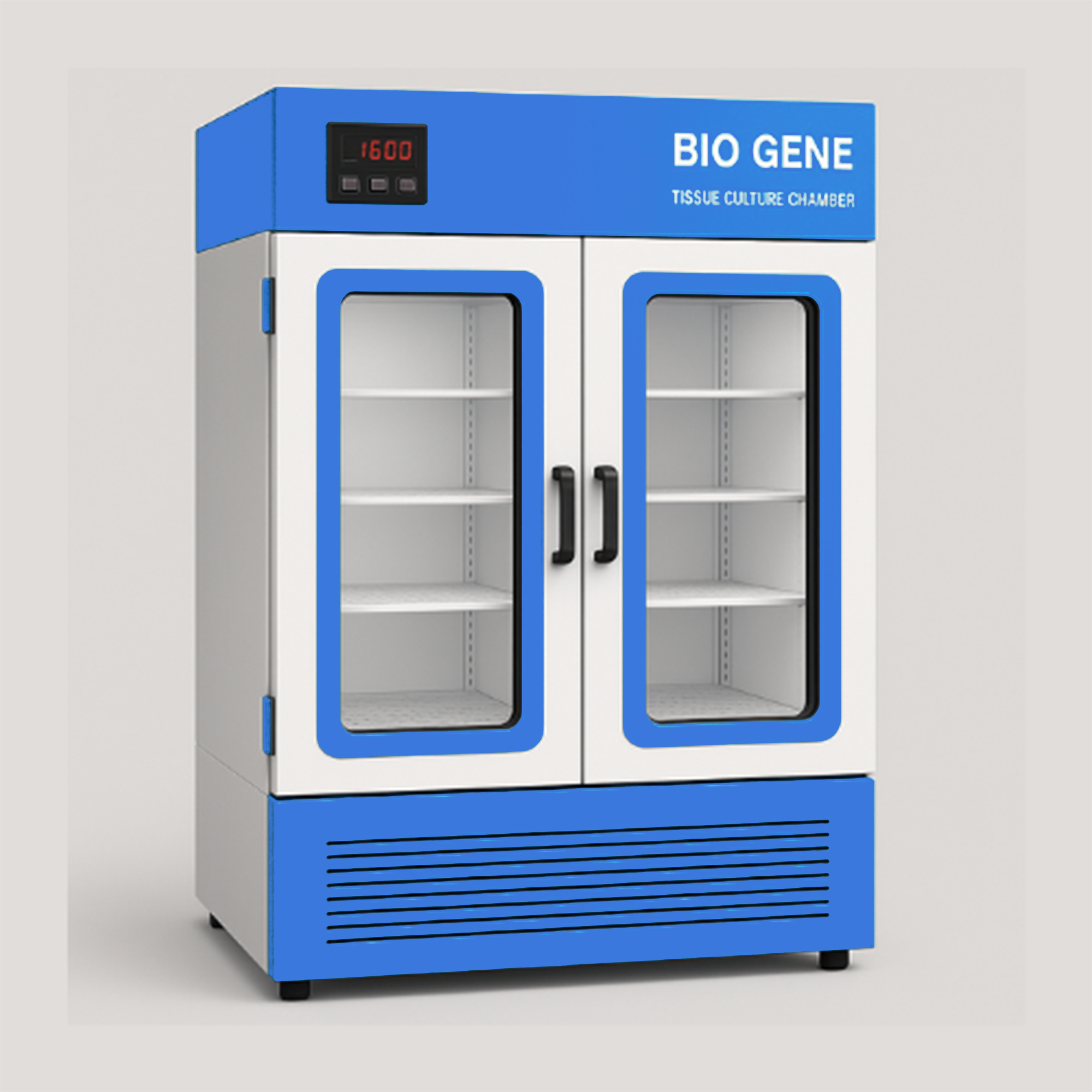
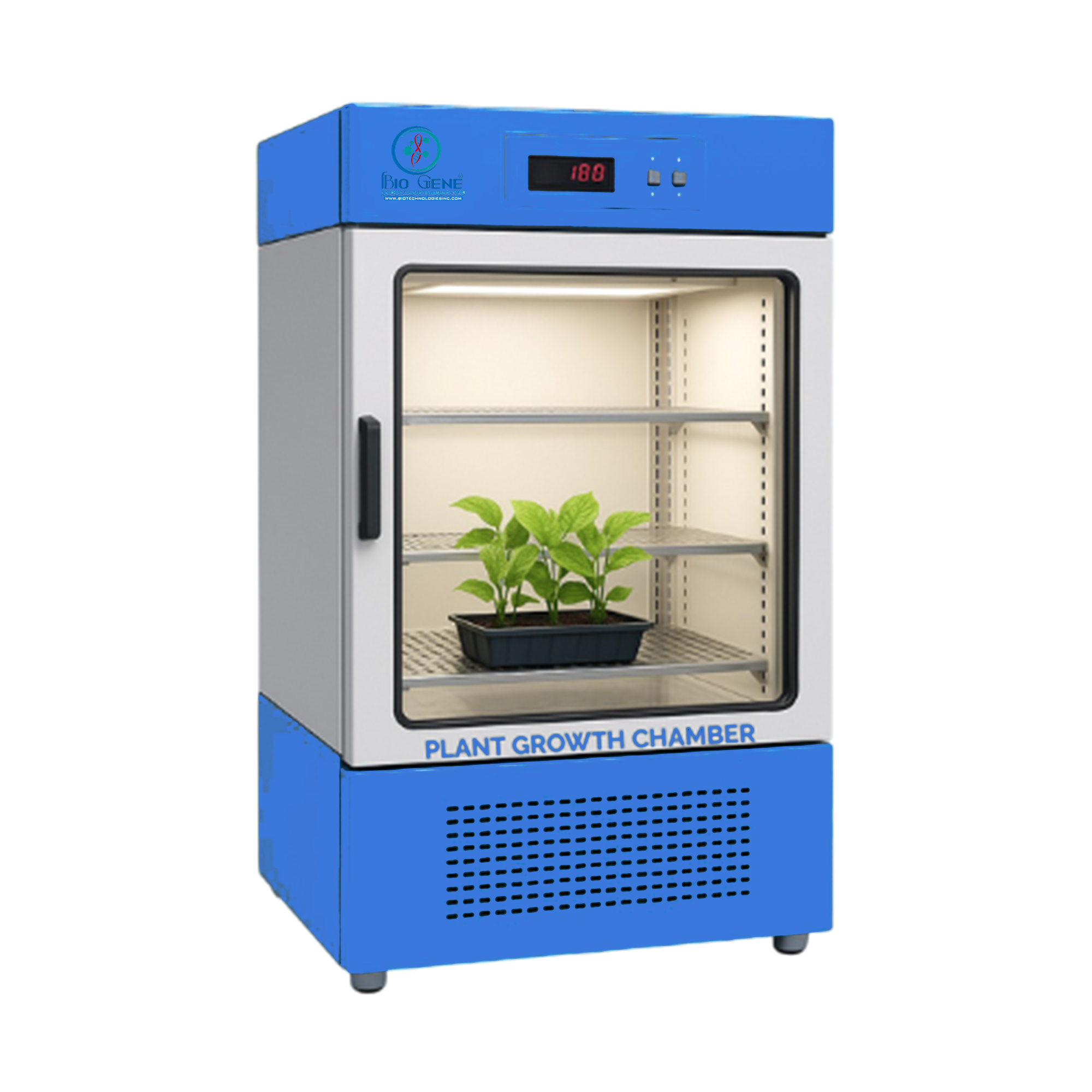
Bio Gene PLANT GROWTH CHAMBER are widely used in
- Research Centers
- Plant Engineering
- Plant Cultivation
- Genetic modification
- AgroPharma Industries
- Agro Industries
- Plant fertility EW& Hybridization
- Universities
Feature
- PLC based HMI interactive control panel.
- Touch screen control display with graphics.
- Programmable controller provides automatic operation of variable temperature, humidity and illumination value.
- Self-Diagnostic Function automatically checks any malfunction and make warning signal.
- Illumination 0 to 35000 lux
- Safety over temperature and current protection
- CFC Free
- Precise Hot Air & Humidity
- Puff Insulation keep the surface Temperature comfortable & Avoid Heat & Humidity Loss.
- Silent Hot Air Blower, Unique design of Air Circulation & Humidity circulation & improved Temperature / Humidity distribution.
- Unique design of Ventilation.
- Microprocessor based Environmental chamber controller with Auto tune PID Temperature Control.
- Soft Power on switch
- Real time Clock
- Safety and Convenience over temperature and current protection capability
- Temperature Alarm
- Self Diagnostic Function
Control
The temperature controlled PLC based HMI interactive control panel.
Lighting Control: 0-25000 LUX (35000 LUX optional)
LUX intensity of (0/25/50/75/100)%
Colored: Blue, Red, Far Red or White LED with wavelengths from 455-750mm
Illumination Cyclic: Photoperiodic cycle of the chamber from 0 to 24 hours.
Humidity Range: 5% to 90% RH ± 3RH
Cooling
Temperature range: 5-60°C
- Standards : ISO,EN, CE, Electro magnetic
- MDD :- 93/42/EEC
- IEC 60068-2-14
- EN 61000-6-1 : 2001
- EN 61000-6-3 : 2001
- Electromagnetic Compatibility Directive (89)/336/EEC)
- EN: 60101, ISO, CE
Construction
- Polish 304 grade of Stainless Steel interior Corrosion resistant long life.
- Kanthal A-1 steel Tubular heater J shape.
- Full feature with Temp. Controller.
- Thermostat Bi-Metalic Capillary type for both dry & wet.
- Angle Iron frame with castor wheel for easy movement
- Fitted with 02 Nos. Fan for cooling & heating). Technical Design and Construction Silent fan motor to maintain uniform temperature and humidity.
- Illumination with fluorescent tubes/LED accounts for artificial day light.
- Front Panel: Front panel of our units comprises of on/off switches heating, cooling and mains indicator lamps, temperature controllers.
- Cooling: An energy efficient cooling unit is installed in our temperature and humidity control cabinets to enable bio chemical demand, cyclic and growth studies at lower room temperatures.
- High end CFC free compressors of Kirloskar/Tecumseh make, conforming to latest international standards and guideline.
Plant Growth Chamber Import & Export services to America, USA, Germany, Japan, China, Mexico, Vietnam, South Korea, Canada, UK, France, Italy, Spain, Netherlands, Australia, Russia, Kazakhstan, Pakistan, Bangladesh, Philippines, Indonesia, Malaysia, Thailand, Singapore, Saudi Arabia, UAE, South Africa, Turkey, Brazil, and Poland — reliable global shipping, customs clearance, and compliance support for all your testing equipment needs.
Technical Specification
| DESCRIPTION |
BTI-PGC-171 |
BTI-PGC-350 |
BTI-PGC-420 |
BTI-PGC-500 |
BTI-PGC-840 |
| Temperature Range |
0°C to 60°C. |
| Temperature Control |
± 0.5 deg. |
| Temperature uniformity |
± 1 deg. |
| Temperature sensor |
3 wire RTD |
| Humidity range |
35 % RH to 90% RH |
| Humidity Control |
± 2% RH |
| Humidity Sensor |
Capacitive |
| Light |
0-25000 LUX (35000 LUX optional) |
| Interior construction |
Stainless steel 304 |
| Exterior Construction |
CRCA Powder coated. |
| Chamber Doors |
Inner Glass Door with complete visibility of components.
Outer Door Metal
|
| Option for electrical interface |
Standard connector |
| Trays |
Stainless steel 304 perforated. |
| Electrical |
220 to 240 volts AC 50 Hz single phase |
| Timer cyclic |
0 to 24 hrs day night |
| Alarm |
Audio and visual |
| Size |
505 x 415 x 830 |
600 x 600 x 900 |
700 x 640 x 900 |
650 x 750 x 1150 |
825 x 825 x 120 |
| Capacity |
171 ltrs |
325 ltrs |
420 ltrs |
500 ltrs |
840 ltrs |
| Shelves |
2 |
3 |
4 |
4 |
4 |
A Plant Growth Chamber is an enclosed environment designed to simulate controlled conditions for plant growth, research, and cultivation. It regulates temperature, humidity, light intensity, light duration, and in some models, CO2 levels, allowing researchers and growers to replicate specific climate conditions regardless of the external weather. This makes it possible to study plant behavior under precise, repeatable settings.
Most plant growth chambers can maintain temperatures typically ranging from around 4°C to 50°C, depending on the model and specifications, while humidity levels can usually be controlled between 20% and 95% relative humidity. The exact range depends on the chamber's design and intended use, so it's best to check the specific model's datasheet for precise figures relevant to your research or cultivation needs.
Growth chambers typically use LED, fluorescent, or a combination of light sources designed to mimic natural sunlight spectrums needed for photosynthesis. Light intensity and duration (photoperiod) can usually be programmed and adjusted to simulate different times of day, seasons, or specific light requirements for various plant species, giving users flexibility to customize growing conditions for different experiments or crops.
Regular maintenance involves cleaning the interior surfaces, shelves, and trays to prevent mold, algae, or pest buildup, along with periodically checking and replacing air filters if applicable. It's also important to inspect the door seals for proper insulation, calibrate sensors periodically to ensure accurate readings, and follow the manufacturer's guidelines for descaling humidity systems if your chamber includes a water reservoir or misting feature.
If you encounter an error message or malfunction, first check the power supply and connections, then consult the chamber's manual for the specific error code, as most manufacturers provide troubleshooting guides for common issues like sensor malfunctions or temperature fluctuations. If the problem persists after basic troubleshooting, it's advisable to contact customer support or a certified technician rather than attempting internal repairs, since growth chambers contain sensitive electronic components.

 Related Products